Japanese learning, one character at a time

Flashcards for reading, printable worksheets for writing — ad-free apps for hiragana, katakana, and kanji on iOS and Android.

What is koshilab?

koshilab builds educational apps that make learning Japanese fun and effective. We started with flashcards for hiragana, katakana, and kanji, and now also make practice tools like 漢ドリ, which turns any set of kanji into a worksheet you can print and write on. Every app is ad-free, privacy-first, and follows the official Japanese school curriculum.

Read It, Then Write It

Build recognition with flashcards, then practice the strokes on printable worksheets.

iOS & Android

Available on both platforms so you can practice on any device, anywhere.

Privacy First

No ads, no tracking, no social features. Your data stays on your device.

Learn at Your Own Pace

Progress is saved locally on your device. Review and advance through cards at a comfortable speed.

Our Apps

Practice Worksheets

Turn kanji into something you can print, write on, and hand out — for practice away from the screen.

New

漢ドリ (Kanji Drill)

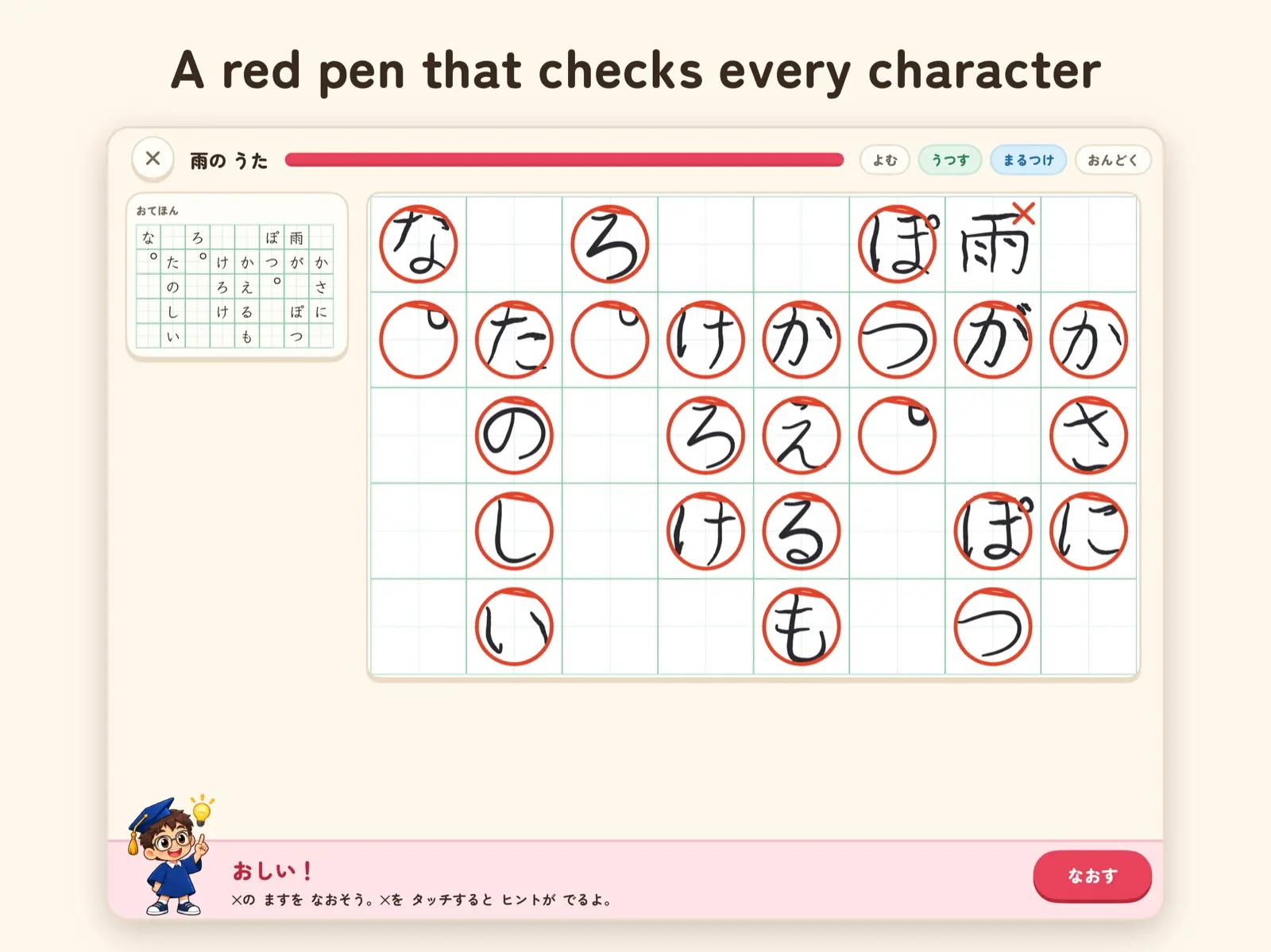
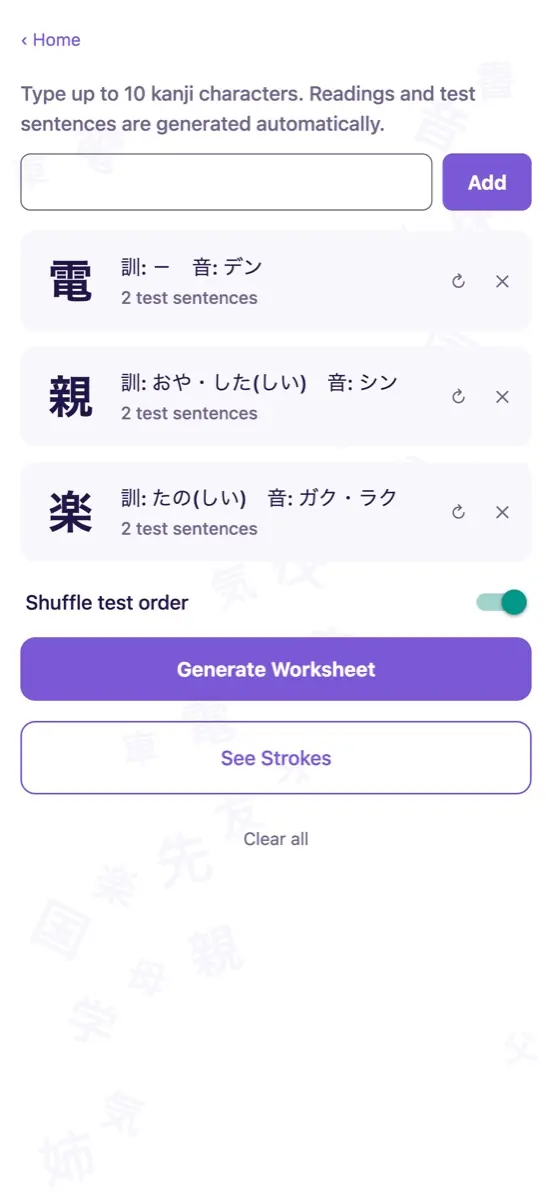
Type in any kanji and get a print-ready worksheet — vertical tracing pages drawn from real stroke-order data, plus a fill-in-the-blank test with furigana hints.

Coming Soon

Kana Flashcards

Where reading Japanese begins — the two syllabaries, one card at a time.

ひらカタ

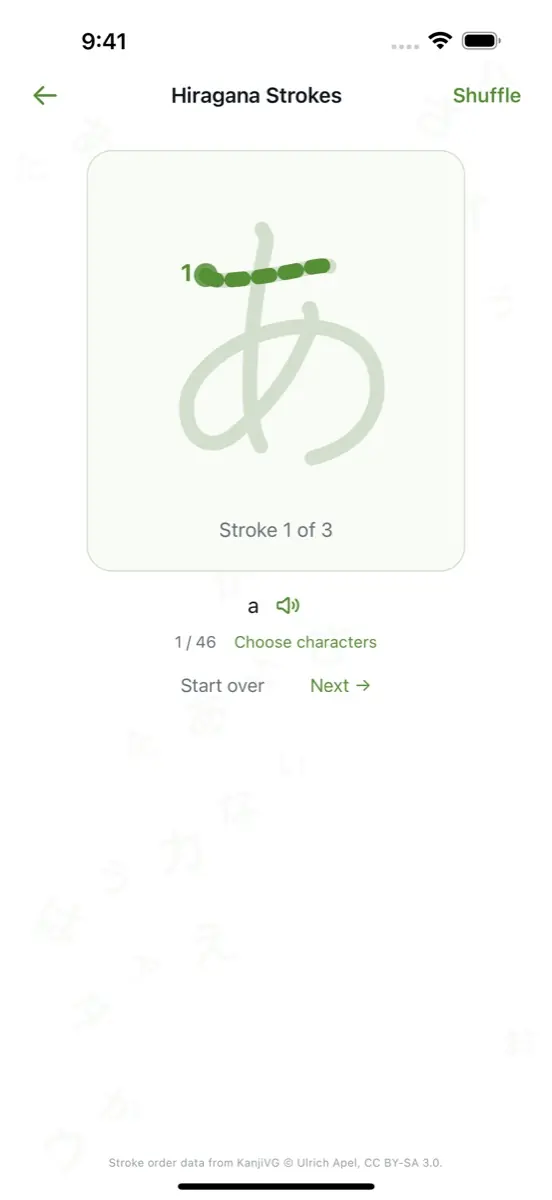
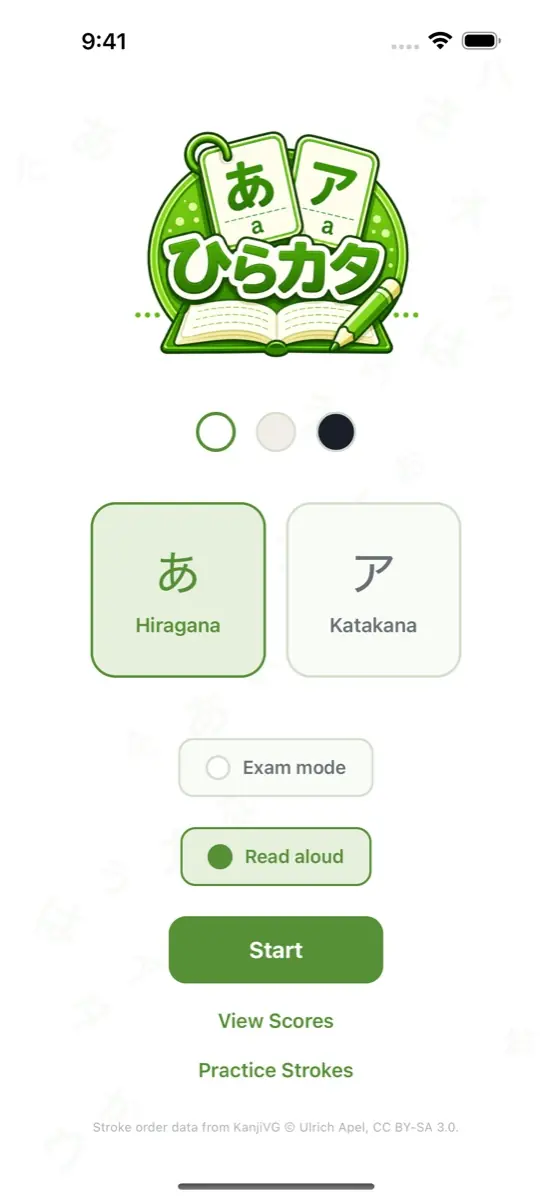
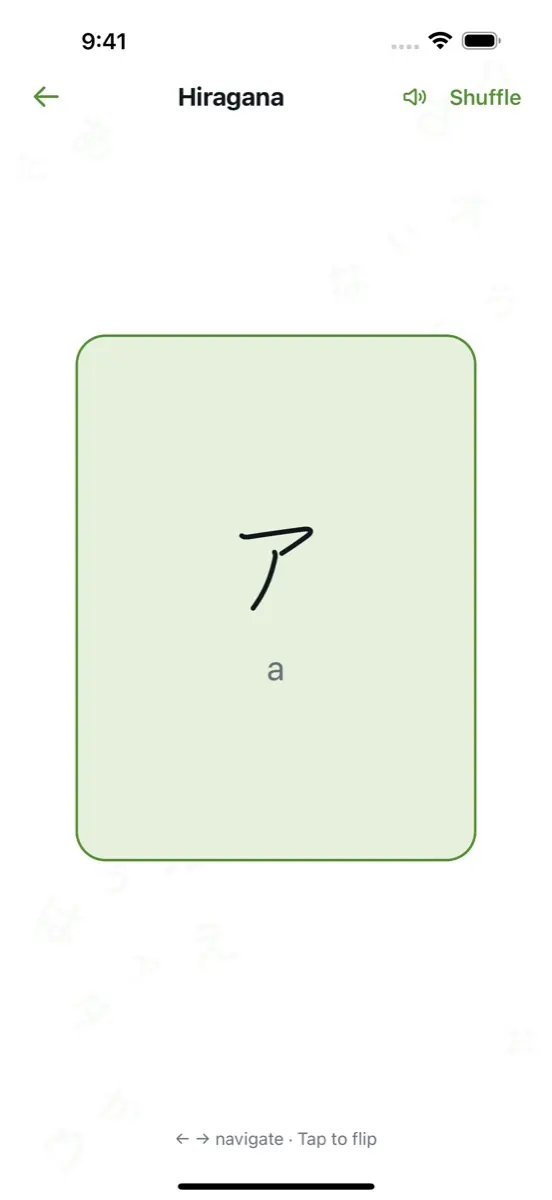
Master hiragana and katakana with interactive flashcards. Flip, tap, and learn the 46 basic characters in each writing system — the essential first step in reading Japanese.

iOS Android — Coming Soon

Kanji Flashcards by Grade

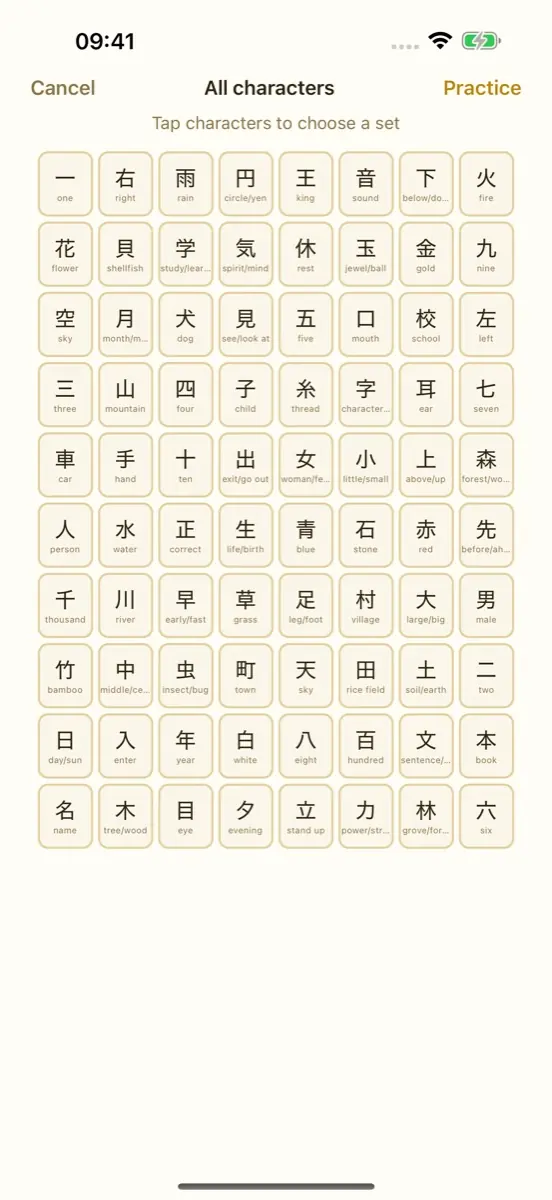
The 音訓 series follows the Japanese school curriculum — one app per grade, covering all 1,026 kanji taught in elementary school.

音訓 (一年生)

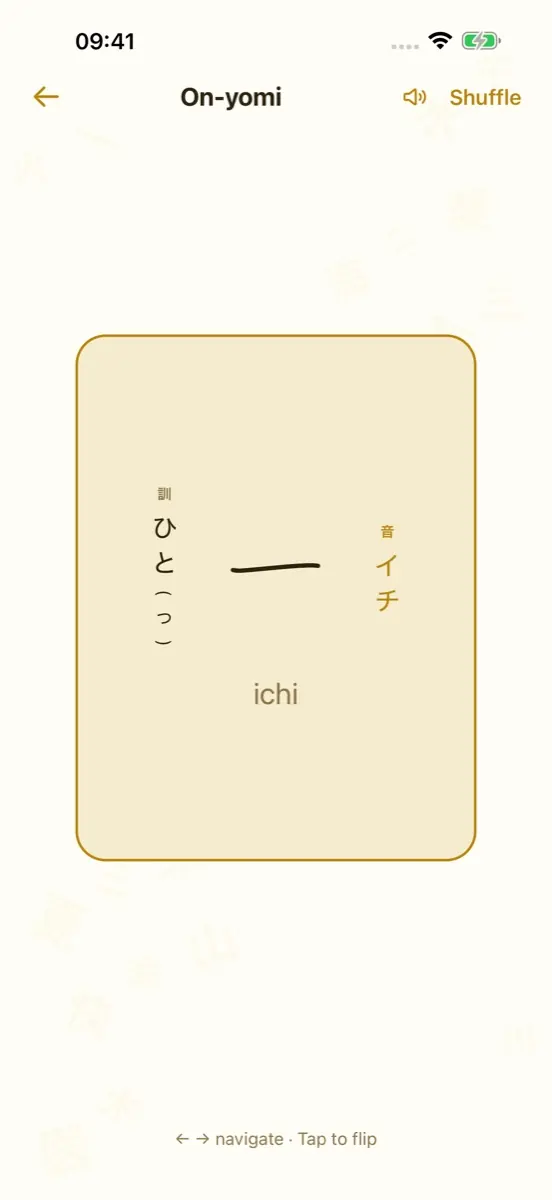
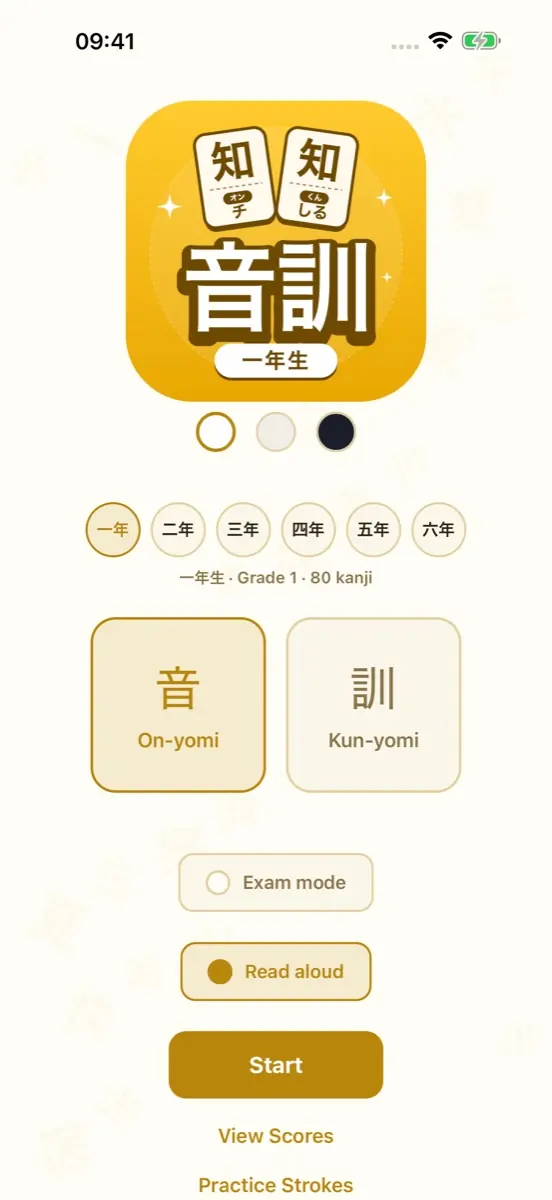
Flashcards for all 80 first-grade kanji. Each card shows the character, its on'yomi and kun'yomi readings, stroke count, and example words to build real vocabulary.

iOS Android — Coming Soon

音訓 (二年生)

Flashcards for all 160 second-grade kanji. Continue building reading skills with cards covering every on'yomi, kun'yomi, and common vocabulary for each character.

Coming Soon

音訓 (三年生)

Flashcards for all 200 third-grade kanji — the year the character count jumps, with readings and vocabulary for every one.

Coming Soon

音訓 (四年生)

Flashcards for all 202 fourth-grade kanji, including the characters that show up most often in everyday reading.

Coming Soon

音訓 (五年生)

Flashcards for all 193 fifth-grade kanji, with the abstract and compound words that start appearing at this level.

Coming Soon

音訓 (六年生)

Flashcards for all 191 sixth-grade kanji — the last set of the elementary curriculum, completing all 1,026 kyōiku kanji.

Coming Soon

What's New

  1. Update

    音訓 (一年生) 1.1.0 — animated stroke order

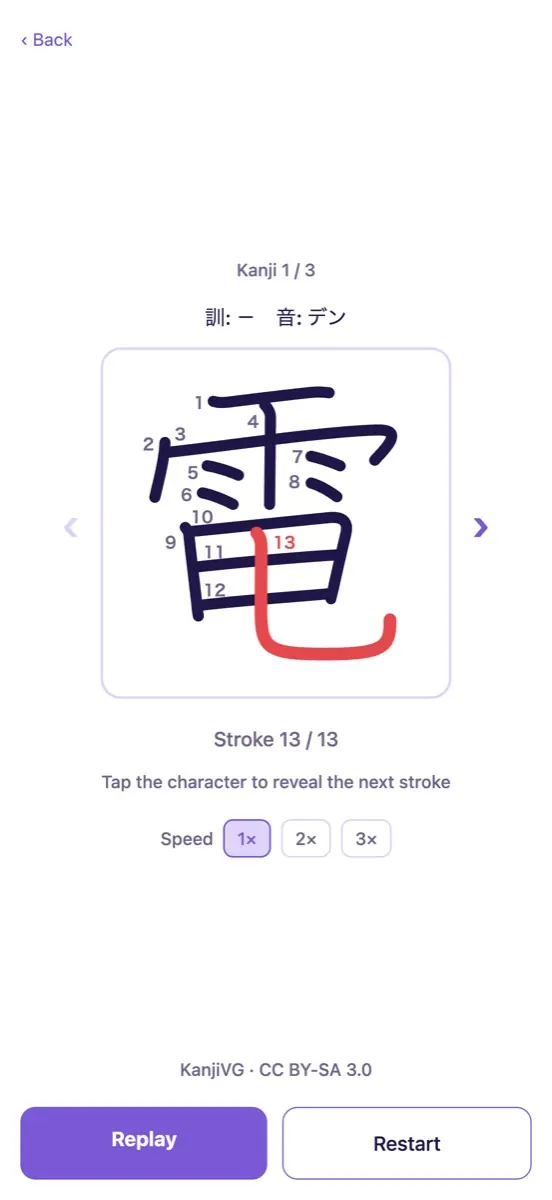
    Tap a card in study mode and the character now draws itself one stroke at a time, in the correct order, from real stroke-order data. This update also adds iPad support, a redesigned app icon, and Reduce Motion support — and the readings for all 80 first-grade kanji were reviewed so each card shows the sense taught in first grade.

  2. New app

    漢ドリ (Kanji Drill) — printable kanji worksheets

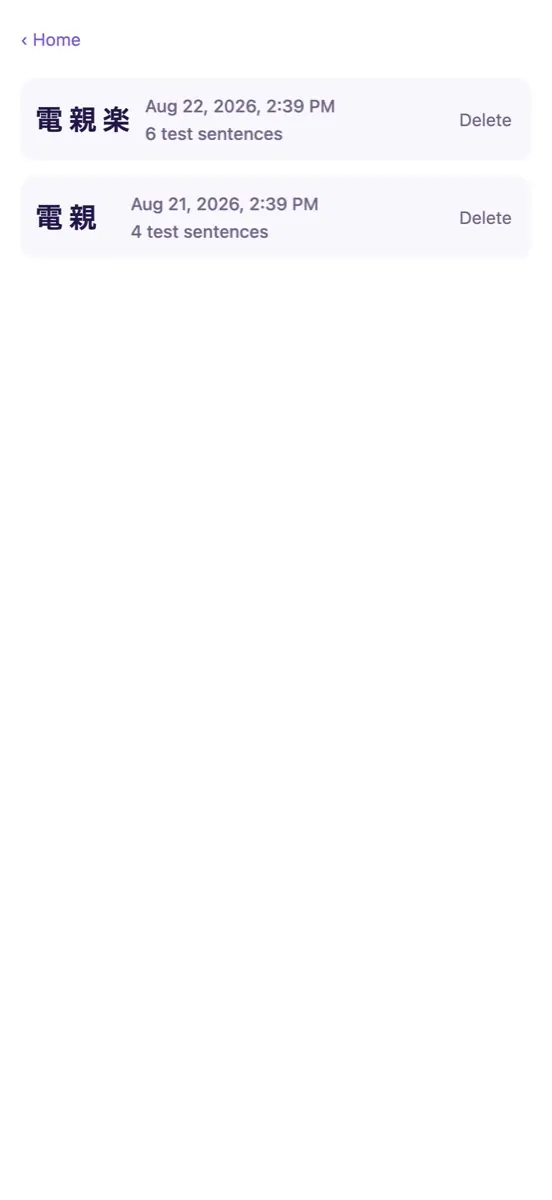
    Our first app that isn't flashcards. Type up to 10 kanji and 漢ドリ builds a practice worksheet you can print: a tracing page with five boxes per character, and a fill-in-the-blank test. Readings come from a bundled dictionary covering all 2,136 jōyō kanji. Coming soon to iOS.

  3. Release

    音訓 (一年生) is on the App Store

    All 80 first-grade kanji, each with on'yomi and kun'yomi readings, stroke count, and example words.

  4. Release

    ひらカタ launches on iOS

    The app that started koshilab — the 46 basic characters of hiragana and katakana, one card at a time.

Flashcard back — answer showing katakana ア with romaji
Flashcard front — hiragana あ character

How the flashcards work

Each flashcard presents a character with its readings and example vocabulary. Flip the card to test your knowledge, then swipe to move on.

Cards are organized by grade level following the official Japanese school curriculum, so learners build skills in the same order as native speakers.

Get in Touch

Have a question or feedback? We'd love to hear from you.